Pine Quest Font for Web Design
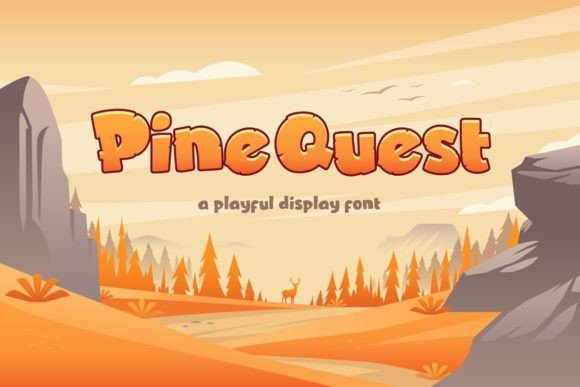
Pine Quest is a playful chunky display font that brings a sense of adventure to digital design. Its light chipped shapes give it a unique character, making it ideal for web designers looking to add personality to their layouts. Whether you're working on a website, app interface, or social media graphic, Pine Quest offers a bold yet approachable style that stands out.
Pine Quest for Website Headers and Hero Sections
Pine Quest is an excellent choice for website headers and hero sections where visual impact matters most. The font's chunky structure ensures readability even at large sizes, while its playful edge adds a touch of creativity. For landing pages promoting outdoor gear, travel services, or creative tools, Pine Quest can help establish a brand tone that feels both energetic and inviting.
When used in hero sections, Pine Quest works well with contrasting backgrounds. On dark backgrounds, the light chipped details pop, creating a dynamic visual effect. On light backgrounds, the font maintains clarity without overwhelming the viewer. This versatility makes it a strong candidate for call-to-action buttons, promotional banners, and section titles.
Pine Quest for Branding and Logo Design
For brands that want to convey a sense of fun and exploration, Pine Quest is a powerful tool in logo design. Its chunky strokes and playful elements make it suitable for logos in industries like gaming, outdoor apparel, and creative services. When paired with a simple sans serif font for supporting text, Pine Quest can create a balanced and professional look that still feels engaging.
Brands using Pine Quest should consider how it aligns with their overall identity. If the brand is adventurous or youthful, this font reinforces that message. It also works well in combination with other playful design elements, such as hand-drawn illustrations or vibrant color palettes, to create a cohesive and memorable brand experience.
Pine Quest for Online Store Banners and Product Pages
Online stores benefit from Pine Quest when designing banners, product titles, and promotional sections. The font’s boldness helps draw attention to key messages, making it ideal for sale announcements, new arrivals, or seasonal themes. Its chipped edges add a subtle texture that prevents the design from feeling too flat or generic.
On mobile screens, Pine Quest maintains legibility even at smaller sizes, which is essential for e-commerce websites. When used in small buttons or product labels, the font remains readable without sacrificing its visual appeal. This makes it a practical choice for online store owners who want to maintain a strong visual identity across all devices.
Pine Quest for Digital Ads and Social Media Graphics
Digital ads and social media graphics require fonts that command attention quickly. Pine Quest delivers on this front with its bold, chunky form and distinctive character shapes. It works well in headlines, captions, and CTA buttons, helping to create visually engaging content that stands out in crowded feeds.
When designing for platforms like Instagram, Facebook, or LinkedIn, Pine Quest can be used to highlight key messages or branding elements. Its playful nature makes it particularly effective for campaigns targeting younger audiences or creative communities. Pairing it with a clean, modern sans serif can balance the design and ensure the message remains clear.
Pine Quest for Creative Portfolios and Blog Headers
Creative portfolios and blog headers often need a font that reflects the designer’s personality while maintaining professionalism. Pine Quest fits this role perfectly, offering a bold and expressive style that adds visual interest without overpowering the content. It works especially well in headers that introduce a project, portfolio piece, or article topic.
For blog headers, Pine Quest can be used alongside a simpler body font to create a clear visual hierarchy. This pairing ensures that the header grabs attention while the rest of the text remains easy to read. It also enhances the overall aesthetic of the site, giving it a more dynamic and engaging feel.
Pine Quest for Responsive Layouts and Mobile Design
Responsive design requires fonts that adapt well to different screen sizes and resolutions. Pine Quest performs well in this context, maintaining clarity and legibility on both desktop and mobile devices. Its chipped edges add a layer of visual interest that doesn’t interfere with readability, making it a reliable choice for multi-device projects.
When using Pine Quest on small buttons or navigation menus, it’s important to test the font at various sizes to ensure it remains legible. Adjusting line height and spacing can further improve its performance in tight layouts. These considerations help maintain a consistent user experience across all platforms.
Pine Quest for Font Pairing and Editorial Design
Font pairing is a crucial aspect of editorial design, and Pine Quest pairs well with a variety of typefaces. For a modern, clean look, pair it with a sans serif font like Helvetica or Open Sans. For a more traditional or elegant feel, combine it with a serif font such as Georgia or Garamond. These combinations allow Pine Quest to shine without overshadowing the rest of the design.
When using Pine Quest in editorial layouts, consider the contrast between the font and the background. High-contrast combinations, such as black text on white or white text on dark backgrounds, enhance readability. In lower-contrast scenarios, adding subtle shadows or outlines can help the text stand out without compromising the design’s integrity.
Pine Quest for Commercial Use and Licensing
Web designers and digital creators should verify the licensing terms for Pine Quest before using it in commercial projects. Most premium fonts offer licenses that cover website use, client projects, and online stores, but it’s important to check the specific terms provided by the font foundry. Ensuring proper licensing helps avoid legal issues and supports the work of the font designer.
When integrating Pine Quest into a website, consider the file formats and webfont availability. Many fonts are available in WOFF, WOFF2, and TTF formats, making them compatible with most modern browsers. Checking for multilingual support is also recommended, especially if the website targets international audiences.